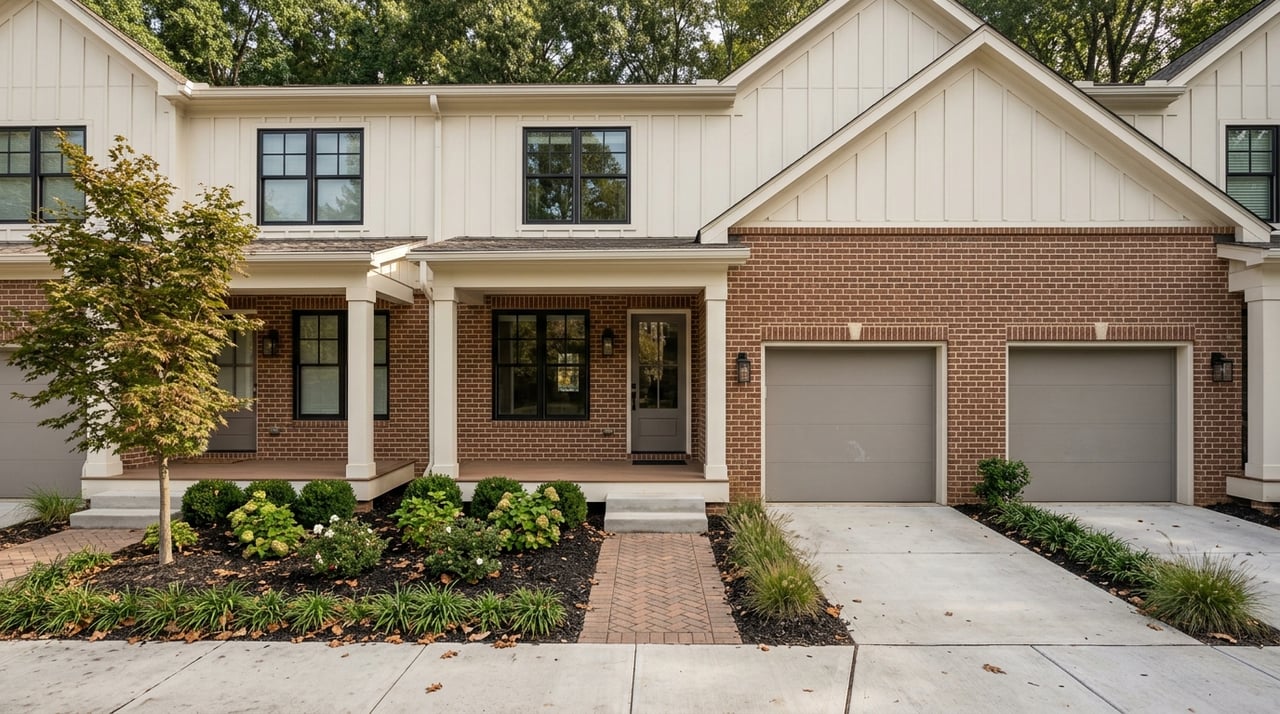
Cary NC Housing Styles: Townhomes vs Single-Family Homes
May 7, 2026
May 7, 2026
Wondering whether a townhome or a single-family home makes more sense in Cary? You are not alone. Many buyers, especially relocators and move-up buyers, find that Cary offers more variety than they expected. This guide will help you understand how these housing styles differ, where they tend to show up, and what to weigh before you decide. Let’s dive in.
Cary is still mostly a single-family market. According to the Town of Cary’s Housing Plan, single-family detached homes made up nearly two-thirds of the town’s housing units in 2020. Attached single-family homes, such as townhomes and two-unit homes, were about 12%, while apartments accounted for about 25%.
That matters if you are starting your search with flexibility. In Cary, detached homes are still the most common option, but attached and lower-maintenance choices are part of the market too. Cary’s planning documents also show that the town is working to broaden housing choices while preserving neighborhood character.
Recent Census estimates also reflect a strong owner-occupied market in Cary. The owner-occupied housing rate was 66.6% in the 2020 to 2024 ACS data. The same data reports a median owner-occupied home value of $580,200 and a median gross rent of $1,738.
In Cary’s planning language, townhomes are generally considered single-family attached housing. The town’s growth framework describes this category as including townhomes and row houses that are attached and generally have two or more floors. That definition helps explain why townhomes often feel like a middle ground between a detached house and a condo-style setup.
Cary’s Housing Plan describes attached homes as smaller, less costly, and requiring less exterior maintenance than detached homes. For many buyers, that can mean an easier day-to-day ownership experience. You may give up some private yard space, but in return you may get a more compact footprint and more community-managed exterior areas.
That tradeoff can appeal to several types of buyers. If you want less upkeep, a simpler lock-and-leave lifestyle, or a lower-maintenance transition from a larger home, a townhome may be worth a closer look.
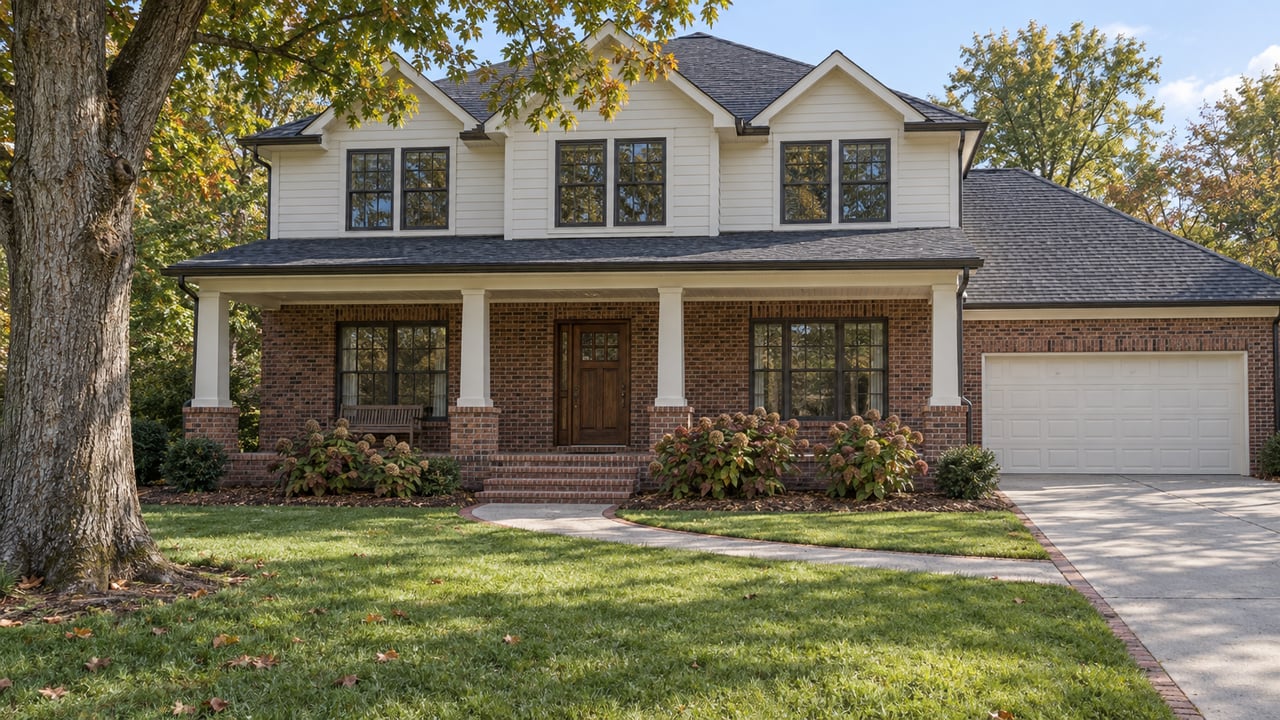
Single-family detached homes in Cary are stand-alone houses on their own lots. Cary’s future growth framework describes them as homes on lots generally greater than one-quarter acre. In some areas, planning documents describe detached neighborhoods with lot sizes ranging from about 10,000 square feet to 1 acre.
In practical terms, detached homes often offer more private outdoor space and fewer shared walls. That extra room can support gardening, outdoor living, storage, or simply more separation from neighboring homes. It can also mean more yard work and more responsibility for exterior maintenance.
For some buyers, that is exactly the goal. If you want a traditional neighborhood feel, more space around the home, or room to spread out over time, a detached home may fit better.
Choosing between the two usually comes down to how you want to live, not just what the label says. Cary’s planning documents make clear that both housing patterns exist, and each comes with tradeoffs. The right fit often depends on lot size, location, maintenance expectations, and your daily routine.
Here is a simple side-by-side view:
| Feature | Townhome | Single-Family Home |
|---|---|---|
| Building style | Attached home, often two or more floors | Stand-alone home on its own lot |
| Outdoor space | Usually smaller private outdoor area | Usually more private yard space |
| Exterior upkeep | Often reduced, sometimes shared through an association | Usually more owner responsibility |
| Shared walls | Yes, in most cases | No |
| Typical appeal | Lower-maintenance living, smaller footprint | More privacy, more space, traditional layout |
This comparison is helpful, but it is not the whole story. In Cary, the same style can feel very different from one community to the next.
One of the biggest mistakes buyers make is assuming that HOA rules are only a townhome issue. In North Carolina, when you buy in a governed community, you join the HOA and agree to its terms and fees. The association’s responsibilities depend on the type of community and the recorded declaration.
In planned communities, the association maintains common elements, while the lot owner usually maintains the lot and improvements. In condominiums, the association maintains common elements, while the unit owner maintains the unit. That means two homes with similar floor plans can come with very different responsibilities.
For you as a buyer, this is where the fine print matters. HOA dues, exterior maintenance, landscaping responsibilities, parking rules, and exterior change approvals can all vary. When comparing Cary townhomes, detached homes, condos, or patio-home communities, you want to look beyond the photos and study the ownership structure too.
Cary has a mix of housing styles, but some areas lean more heavily toward one format than another. It helps to think in broad patterns instead of hard rules. The town specifically advises buyers to verify parcel-specific zoning rather than assuming every nearby property follows the same standards.
Downtown Cary and the Town Center area are among the clearest examples of higher-density living in Cary. Town planning documents note that the Town Center Area Plan helped shape downtown redevelopment. Downtown Cary Park was also designed to serve nearby neighborhoods and higher-density development.
If you are drawn to a more compact setting, this part of Cary may offer housing choices that feel different from more traditional suburban streetscapes. Attached housing and other lower-maintenance options may be easier to find here than many buyers expect.
The Eastern Cary Gateway is another area where attached and multifamily housing are concentrated. Town documents describe this area as including multifamily complexes, townhomes, and other uses. Fenton, a 92-acre mixed-use project in this area, includes up to 920 dwelling units in a high-density destination center.
For buyers who want a more connected, mixed-use environment, this part of Cary may be especially worth watching. It reflects the town’s broader effort to expand housing choice in certain growth areas.
Carpenter and nearby northwest Cary show more of a mix. The Carpenter Community Plan says the area includes single-family homes, town homes, condominiums, and loft apartments. It also distinguishes between low-density residential areas aimed at detached homes and medium-density areas that can include detached, semi-detached, attached, patio homes, duplexes, triplexes, and townhouses.
This is a good reminder that Cary does not fit one simple mold. In some parts of town, you may find traditional detached neighborhoods near attached options and other housing types.
If you are comparing Cary housing styles, start with your daily life. Think about how much exterior work you want to manage, how important private outdoor space is to you, and whether shared walls are a concern. Also consider how location affects your commute, routines, and preferred setting.
A townhome may suit you if you want:
A single-family home may suit you if you want:
Neither option is automatically better. In Cary, the best choice usually comes down to the details of the lot, the HOA structure, the neighborhood pattern, and how you want to live day to day.
When you tour homes, try to compare more than price and square footage. Ask how the property is classified, what the HOA covers, and what the owner is responsible for maintaining. If you are relocating to Cary, this step is especially important because two communities can look similar online but work very differently in real life.
You should also verify parcel-specific zoning and property details instead of relying on general impressions. Cary’s planning guidance is clear on this point. Broad area patterns are useful, but they do not guarantee what applies to a specific address.
If you are deciding between a townhome and a single-family home in Cary, the right guidance can save you time and help you focus on homes that truly match your goals. Whether you want lower-maintenance living, more outdoor space, or a smoother relocation into the Triangle, Kim Longest can help you compare your options with local insight and a client-first approach.
Stay up to date on the latest real estate trends.


Get assistance in determining current property value, crafting a competitive offer, writing and negotiating a contract, and much more. Contact Kim today to discuss all your real estate needs!
Get In Touch With Me To Learn More
1991 APEX PEAKWAY
APEX NORTH CAROLINA 27502