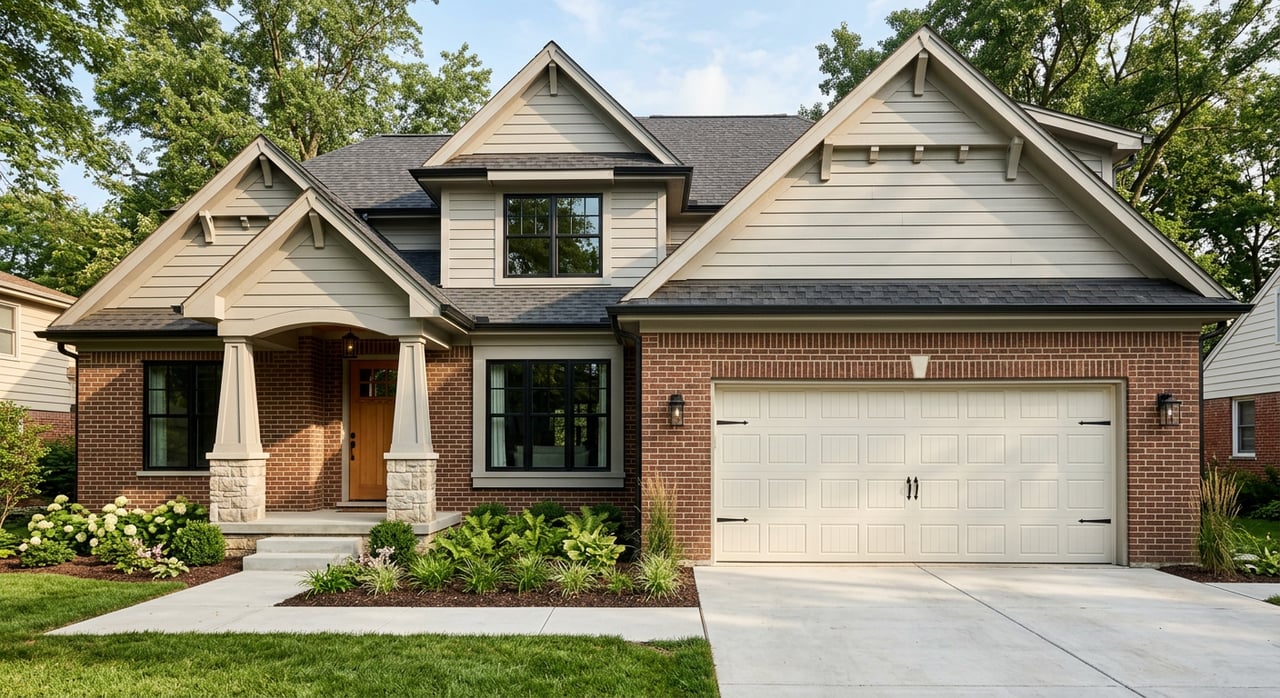
Clayton NC New Construction Guide for Building a Home
March 24, 2026
March 24, 2026
Thinking about building a new home near Clayton, NC, but not sure where to start? You are not alone. From picking the right lot to navigating permits, design choices, and closing, there are many moving parts. This step-by-step guide walks you through the local process so you can plan with confidence, avoid surprises, and keep your build on track. Let’s dive in.
Before you sign anything, confirm how the lot is regulated and served. A few checks up front can save weeks later.
First, find out if your lot sits inside the Town of Clayton or in unincorporated Johnston County. Inside town limits, the Town’s Development Services handles plan review, building permits, and inspections. If the lot is outside the town, Johnston County manages permitting and inspections. You can confirm submittal methods, ePermits access, and inspection scheduling through the Town’s Inspections page if your property is within the town limits on the Town of Clayton site.
Service can differ by location. Some areas use municipal utilities while others rely on county or private providers. For county-served lots, factor in System Development Fees and tap fees that can materially affect closing costs. Always verify the current fee schedule with the county because rates change. Review the latest schedule and confirm effective dates on the Johnston County Active Fee Schedule. (Fees checked March 2026.)
If the lot is not on public sewer or water, you will need a septic and/or well permit from Johnston County Environmental Health. Expect a site plan submittal and an on-site evaluation. You can review required forms and pre-inspection steps in the county’s septic and well application packet.
If your driveway will connect to a state-maintained road, an NCDOT driveway permit is required. This affects many lots along highways and major collectors. The county’s design manual explains that driveway aprons in the state right-of-way must meet NCDOT standards, which can add time and cost. See the county’s Land Development Design Manual for details.
Timelines vary by builder, plan, weather, and site conditions, but you can plan around typical phases.
Recent analysis of Census and NAHB data shows the average permit-to-completion time for a single-family home is about 9.1 months. Homes in production-style communities often finish faster at roughly 7.6 months. Use your builder’s schedule and local review timelines as the baseline, and expect some variance. See the national timing context in this ProBuilder summary.
Your builder submits plans for review, pays required fees, and secures the building permit. Site work starts with erosion controls, staking, and utility coordination. If you need septic or well approvals, those permits must be in hand before foundation work begins.
After footings and foundation, crews move to framing, roofing, windows, and rough-in systems. Insulation and air barriers follow, then drywall and finishes. Weather, inspections, and special-order materials can influence pace, so ask for regular schedule updates from your builder.
Inspections occur at major milestones, including footing, foundation, framing with rough mechanicals, insulation, and final. Inspectors expect sites to be ready by 8:00 AM on the scheduled date, and many inspections are requested the business day before. For a detailed look at what framing and final inspections cover, review the Town’s Residential Framing and Inspection Checklist. You can also find ePermits access and scheduling details on the Town of Clayton Inspections page.
A clear contract helps you avoid costly surprises.
Ask for a written inclusions list. Confirm what is included in the base price versus lot premiums, landscaping, and appliances. Clarify design-center allowances and what happens if you exceed them.
Structural options, like moving windows or adding a bump-out, need to be locked early and can require plan changes. Many builders charge administrative fees for post-contract changes and may extend timelines. Track every upgrade against your allowance, get itemized pricing, and document all change orders in writing with cost and schedule impact. For a helpful overview of design-center timing and rules, see this NewHomeSource guide.
Choose a loan structure that fits your cash flow and risk tolerance.
Lenders often offer two choices: a construction-to-permanent loan that converts to a standard mortgage at completion, or a stand-alone construction loan followed by a separate permanent mortgage. Understand your interest payments during construction, rate-lock options, and closing cost differences. Get a consumer overview in this NerdWallet primer on construction loans.
Funds are typically released in draws tied to milestones. Lenders usually require an inspection or review before each draw, plus lien waivers from subcontractors. Confirm the draw schedule, any retainage, inspection fees, and what documentation your title company will collect.
Your selections shape both cost and schedule. Come prepared.
As you approach completion, you will see final trade signoffs, punch-list items, and the last round of inspections.
You can occupy the home only after all required inspections are approved and the jurisdiction issues a Certificate of Occupancy or final approval. The Town outlines signoffs and contractor rules in its Permit Guide. Confirm with your builder and closing team that all permits are closed and fees are paid before your final walk-through.
An experienced buyer’s agent represents you, not the builder’s interests. Recent MLS rule changes also mean representation agreements and commission disclosures may be discussed earlier in the process. For a practical overview of why buyers use an agent for new construction, see this summary from LegalClarity. Here are high-impact moments to bring your agent in:
For legal questions about warranties or contract rights, consult a North Carolina real estate attorney.
You deserve a smooth, well-managed new-build experience. If you want a trusted local partner to help you compare lots, review builder contracts, coordinate timelines, and protect your interests from first tour to final walk-through, connect with Kim Longest. Request Your Free Relocation & Neighborhood Guide and let’s map your next step with confidence.
Stay up to date on the latest real estate trends.


Get assistance in determining current property value, crafting a competitive offer, writing and negotiating a contract, and much more. Contact Kim today to discuss all your real estate needs!
Get In Touch With Me To Learn More
1991 APEX PEAKWAY
APEX NORTH CAROLINA 27502