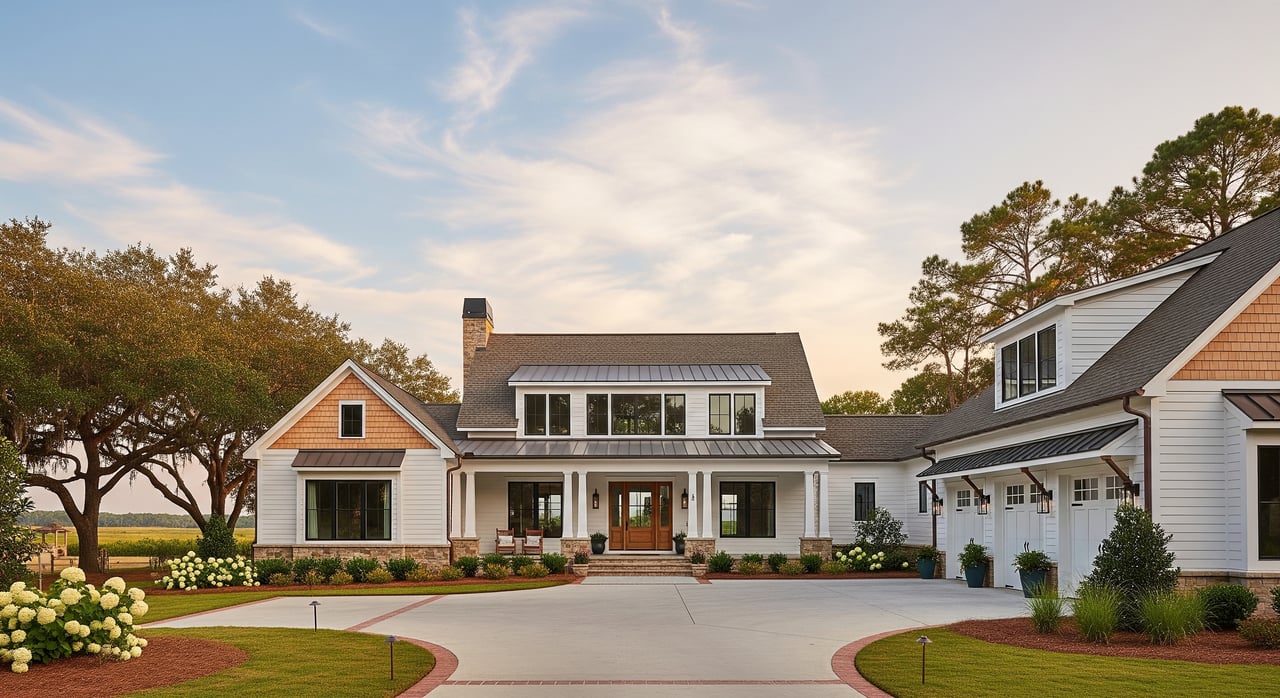
Clayton New Construction Trends for Savvy Homebuyers
December 18, 2025
December 18, 2025
Thinking about building a new home near Clayton? You are not alone. With steady growth across Johnston County, new neighborhoods, amenities, and floor plans are arriving fast. If you want a smooth build and smart upgrades, it pays to know what is trending and how the process really works. This guide breaks down builder activity, timelines, inspections, and negotiation tips so you can move with confidence. Let’s dive in.
Near Clayton and across Johnston County, you will find a mix of national production builders and regional or custom builders. Common national names in the broader area include D.R. Horton, Lennar, Pulte, Meritage, and Ryan Homes, though activity varies by community and phase. Most new homes rise in master-planned neighborhoods on the town’s edge, plus some infill sites closer to downtown Clayton. Expect a pipeline of both quick-move-in homes and build-to-order options.
Subdivision approvals, zoning and density rules, and water or sewer extensions guide where builders focus. Areas approved for higher density usually bring smaller lots and more shared amenities. Checking current permits and plats gives you the best read on what is under construction now and what is coming next.
Easy access to Raleigh job centers and major routes like US 70, NC 42, I-40, and I-95 keeps demand strong. Mortgage rates and builder incentives, such as rate buydowns, can tilt the choice between new and resale. Materials and labor are more stable than in recent years, but certain finishes or appliances can still affect schedules.
Most production builders near Clayton highlight open-concept living with kitchen, dining, and great room together. Many plans offer an owner’s suite on the main level, plus a flex room or office for remote work. You will also see large kitchen islands, walk-in pantries, and generous storage. Two-story plans with secondary bedrooms upstairs remain common, and some higher-density areas include townhomes or paired homes. Covered outdoor spaces, like screened porches, are a growing priority.
Lot sizes depend on the community type:
Premiums often apply to larger lots, cul-de-sac locations, and sites backing to open space. Orientation, side-yard setbacks, grading, and drainage all influence lot desirability and cost. Smaller-lot communities with shared amenities usually include HOA fees, so review covenants and budgets early to understand long-term costs.
Many new Clayton-area neighborhoods feature amenity centers with pools, playgrounds, walking trails, and dog parks. Some include pickleball or tennis courts and fitness centers, especially in larger master-planned communities. Builders may also design community greens and low-maintenance landscaping plans.
Inside the home, you will often see smart thermostats, structured wiring for security-capable systems, and efficient lighting. Energy features can include high-efficiency HVAC and ENERGY STAR appliances. EV charger rough-ins are more common, either standard or as a small upgrade. Flexible spaces for home offices or learning areas remain in demand.
Shared amenities and smaller lots can be great for convenience, but they come with HOA rules and dues. Factor those into your monthly budget, and confirm who maintains landscaping or irrigation and what the architectural guidelines allow.
Quick-move-in homes can finish in about 2 to 6 months, depending on how far along the build is. A typical build-to-order production home runs about 6 to 9 months from permit to completion. Larger custom builds or complex sites can take 9 to 12 months or more. Permits, materials availability, trade scheduling, and weather all impact timing, so treat quoted completion windows as estimates and get key dates and remedies in writing.
Before the slab is poured, confirm site grading, erosion control, and underground utilities. Make sure required municipal inspections are complete first.
This is the most important third-party inspection. An independent inspector can review framing, structural elements, mechanical rough-ins, and fire-blocking. Catching issues here prevents costly fixes later.
At trim stage and again at your final walk-through, verify that selections match the contract and that earlier items are corrected. Create a clear punch list and agree on timing for completion. Many builders offer a 1-year workmanship warranty, so schedule an 11th-month inspection to document items for service.
For properties with septic or well systems, plan for percolation tests and water quality checks. For lots near streams or low-lying areas, confirm floodplain status and drainage.
Production builder contracts usually favor the builder, so review them with a knowledgeable buyer’s agent and, if needed, a real estate attorney. Pay close attention to:
Upgrades fall into design (cabinets, counters, flooring, lighting), structural (bump-outs, windows), and mechanical/electrical (EV rough-in, panel size). Some contracts use allowances for certain categories. If your choices exceed the allowance, you pay the difference, so get itemized pricing and confirm whether underages are credited. Design center selections are often final sale, and change orders can trigger fees and delays. Prioritize upgrades that are costly to add later, such as structural changes, screened porches, or flooring.
Common builder incentives include closing-cost help, rate buydowns, lender credits, and appliance or upgrade packages, often tied to preferred lenders and closing attorneys. Compare the full loan terms, not just the incentive headline, to see the true net benefit. Keep in mind that unique upgrades or oversized lots might not fully appraise against nearby comps, so discuss potential appraisal gaps before you commit.
If you want modern layouts, energy features, and low-maintenance living, new construction near Clayton can be a great fit. You trade some flexibility on timing for a home tailored to your needs and a clean warranty period. With a clear plan for inspections, selections, and contract protection, you can get a better result with fewer surprises.
Ready to map the best neighborhoods, compare builders, and structure a strong contract? Reach out to Kim Longest for a tailored new-construction game plan in Clayton and across Johnston County.
Stay up to date on the latest real estate trends.


Get assistance in determining current property value, crafting a competitive offer, writing and negotiating a contract, and much more. Contact Kim today to discuss all your real estate needs!
Get In Touch With Me To Learn More
1991 APEX PEAKWAY
APEX NORTH CAROLINA 27502