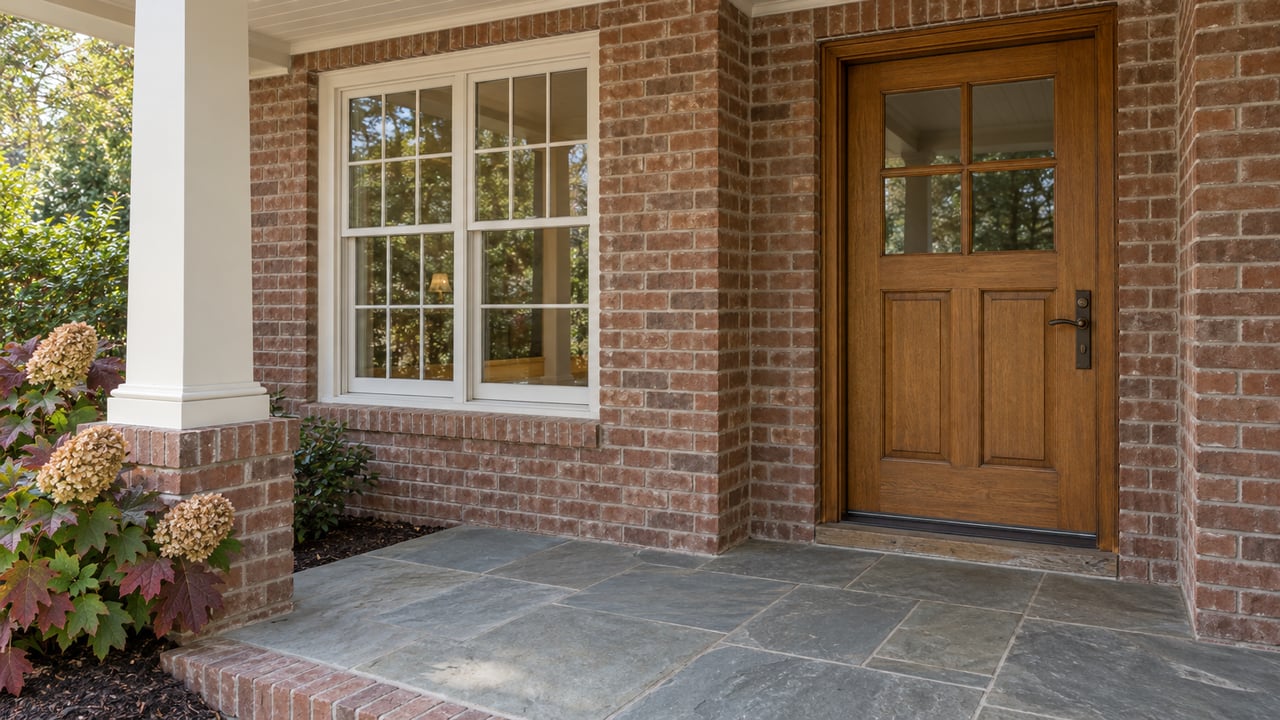
Why the Tax Bill on a Holly Springs New Build May Not Be the One You'll Pay
October 29, 2026
A line on a North Carolina closing statement can split property tax between buyer and seller. On a newly built home, the bill can describe something closer to a graded lot.
The tax bill is based on how the county saw the parcel on one particular morning. For anyone closing on new construction this fall, that morning was January 1, 2026. The next one Wake County uses, January 1, 2027, is also the effective date of a countywide revaluation.
Under G.S. 105-285, ownership of real property is fixed as of January 1 each year, and values are set as of January 1 in the years the law prescribes. Wake County's guidance on new homes uses the same date. According to the county's Builders Exclusion page, improvements are considered as they stand on January 1, "regardless of the stage of completion."
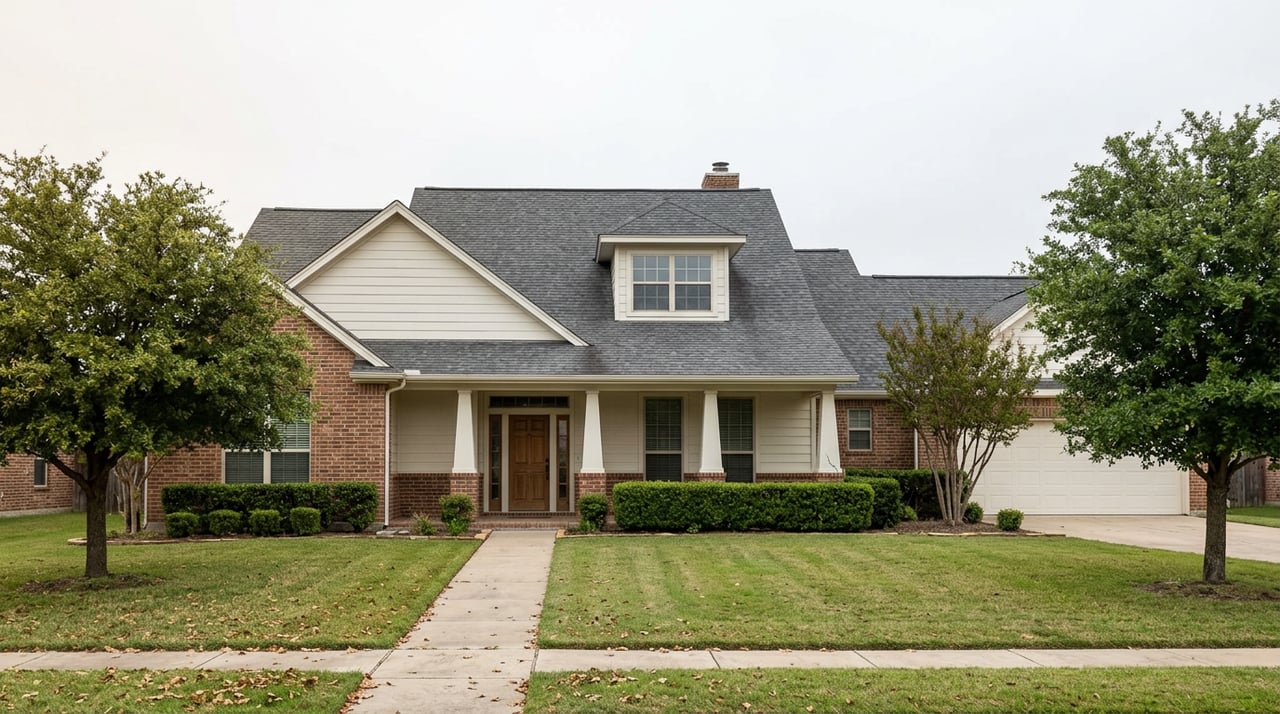
Take a house that was a slab or a frame on January 1, 2026, and now has cabinets, a driveway and a sold sign. Its 2026 value may reflect the earlier stage. That doesn't mean every parcel ends up with a land-only bill. The tax figure on a new build may tell you more about what stood there in January than what's standing there when you close.
The second piece is less well known. North Carolina's Builder's Exclusion, found in G.S. 105-277.02, lets a qualifying builder exclude from taxation the increase in value that comes from three things.
Wake County lists the conditions. The builder must still own the property, it can't be occupied by a tenant, and it can't serve as a model home or be used for any other commercial purpose. The exclusion lasts at most three years from the date the builder first had to list the property.
A completed spec home can be affected by the Builder's Exclusion.
This matters in Holly Springs because so much of what's for sale here is new. A buyer who compares a two-year-old resale with a finished spec home down the street may see very different annual tax figures on homes of similar size. That gap can come from how each house sat on January 1 and who owned it, and say little about what either one will cost to own next year.
The third piece applies to everyone, whether the house is new or old. Wake County's current assessed values date to the January 1, 2024 revaluation. The next revaluation takes effect January 1, 2027. It's also the first step in Wake's move from a four-year cycle to a two-year one. The board voted to phase that change in during March 2025, and the next revaluation after 2027 takes effect January 1, 2029.
Here's the calendar from where a reader stands at the end of October 2026:
No one has published how large the change will be. Asked by WRAL in early October, Wake County Tax Administration Appraisal Director Brad Homlotis wouldn't give a number. "Without putting a number to it, I'll just say that everything will be based on the market change over time," he told the station. "With more frequent revals, you would expect the market change to be less severe." For context, WRAL reported that the 2024 revaluation brought a 51 percent average increase in home valuations, which is the jump the shorter cycle is meant to avoid repeating, not a forecast for 2027.
The Town of Holly Springs has its own, narrower figure. The FY 2026-27 budget message from May 2026 estimated 2026 real-estate value growth at 4.3 percent and projected total assessed valuation rising from $13.9 billion to $14.6 billion. That's an annual tax-base projection that includes newly built property. It isn't an estimate of what the revaluation will do to any one home.
The revaluation affects resale homes as well as new construction. New construction may also appear on the tax roll for the first time; confirm the property's treatment with Wake County Tax Administration.
A closing proration can divide a current bill between the two parties. It does not determine the size of a later bill.
For scale, here are the 2026 rates. Wake County adopted 53.71 cents per $100 of assessed value for FY 2026-27, and the county's rate table lists Holly Springs at 34.35 cents. Combined, that's about $881 a year for every $100,000 of assessed value inside town limits at 2026 rates. Wake's rate table also notes that properties outside municipalities may owe a fire-district tax, so an address with a Holly Springs mailing label but outside town limits can be billed differently. None of these 2026 rates predicts 2027. The News & Observer reported in October that what the revaluation does to bills stays unclear until local governments set their next rates.
The revenue-neutral rate also gets misread. State law requires local governments to publish one during the budget process, but the county, the towns and special districts don't have to adopt it. Even where they do, Wake says an individual bill still depends on how that property's value changed compared with the average in its jurisdictions.
Does the revaluation raise my tax rate? No. It changes assessed values, and county and town officials set rates separately through their budgets.
Does the revaluation affect resale homes? The revaluation affects resale homes as well as new construction.
This post is general information and isn't legal, tax or financial advice. Please confirm the details of your own purchase with your closing attorney, your lender and Wake County Tax Administration.
If you're weighing a Holly Springs new build against a resale this fall, reach out to Kim Longest.
Stay up to date on the latest real estate trends.
Get assistance in determining current property value, crafting a competitive offer, writing and negotiating a contract, and much more. Contact Kim today to discuss all your real estate needs!
Get In Touch With Me To Learn More
1991 APEX PEAKWAY
APEX NORTH CAROLINA 27502