Raleigh Home Types Comparison for Condos, Townhomes, and Houses
July 2, 2026
July 2, 2026
If you are deciding between a condo, townhome, or single-family home in Raleigh, the choice is about much more than square footage. Your monthly costs, maintenance responsibilities, privacy, and even financing path can look very different depending on the home style you choose. This guide will help you compare the trade-offs clearly so you can focus on the option that fits your lifestyle and budget best. Let’s dive in.
Raleigh’s market gives you a useful starting point for comparing home styles. As of April 2026, the median sale price for Raleigh homes overall was $424,781, with homes spending about 40 days on market and averaging roughly two offers per home.
Attached homes are often priced below that broader median. Current Raleigh inventory shows 334 condos with a median listing price of about $335,000 and 674 townhouses with a median listing price of about $320,000. That makes condos and townhomes appealing if you want a lower entry price, though HOA dues can change the full monthly picture.
The current price ranges also show how much variety exists within each category. Raleigh condos on current inventory pages range from about $199,000 to $830,000, while townhouses range from about $260,000 to $825,000. In other words, the home style alone does not tell the whole story.
Before you compare lifestyle, it helps to understand what you are actually buying. Raleigh planning materials define a detached house as a building that is not connected to another principal structure and contains one dwelling unit. A townhouse is a building with two or more dwelling units separated by a party wall.
That sounds simple, but legal ownership can be more nuanced. In North Carolina condominiums, the interior spaces and finishes are generally part of the unit, while items like exterior doors, windows, porches, balconies, and patios may be treated as limited common elements tied to that unit.
That distinction matters because a townhome is not always the same thing as a condo in legal form. Some townhouse units sit on individual lots, while others may be part of a condominium or planned community structure. The recorded declaration and HOA documents determine the ownership setup, maintenance duties, and shared responsibilities.
Condos are usually the lowest-maintenance option of the three. They often appeal to buyers who want a simpler day-to-day routine, access to shared amenities, or a location in a more central, amenity-rich part of Raleigh.
Current attached-home search areas in Raleigh include places like Brier Creek, North Hills, Downtown Raleigh, North Raleigh, Five Points, and Northwest Raleigh. That helps explain why condos often come up in searches for relocators who want convenience and a more urban or connected lifestyle.
The biggest benefit of condo living is lower maintenance, but you trade some control for that convenience. Condo associations usually manage common areas and, in many communities, exterior or shared components of the building.
You will also want to review the project’s finances carefully. Lenders may look not only at you as the borrower, but also at the condo project itself, including budgets, insurance, reserves, repairs, and any litigation. That extra review can affect financing options and time to close.
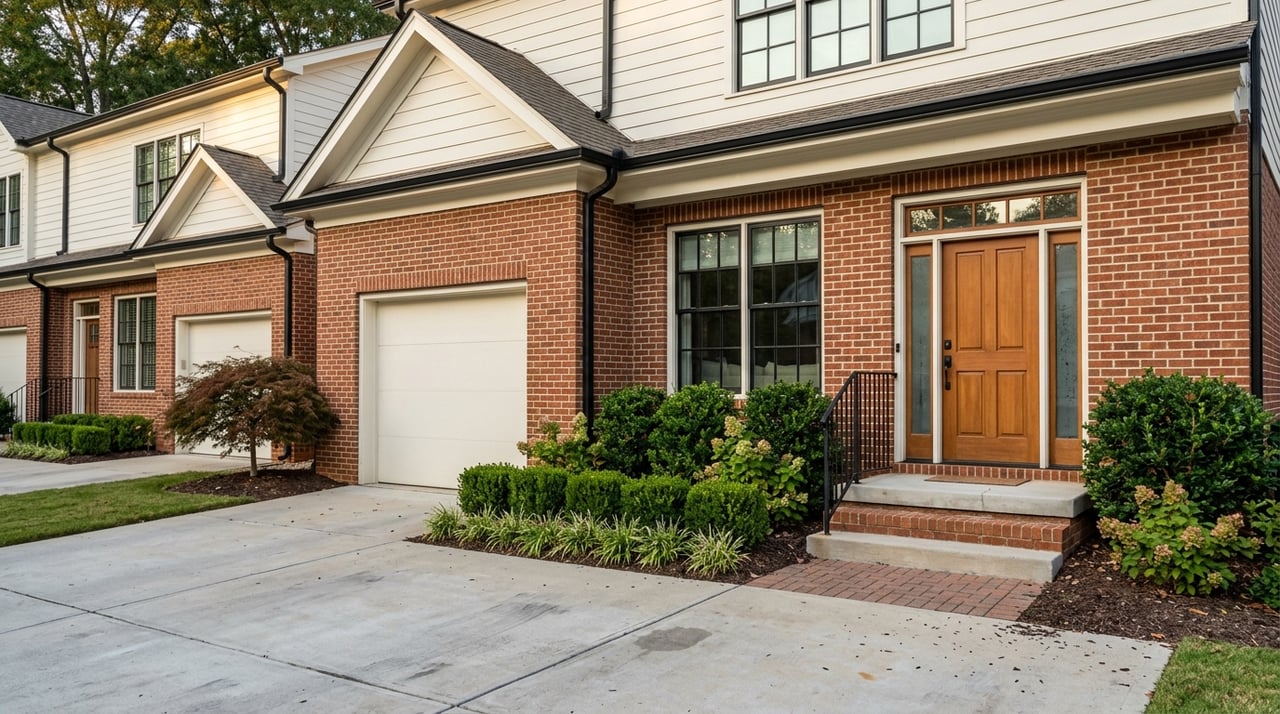
Townhomes often sit in the middle between condos and detached homes. They can offer more space than a condo, a lower-maintenance setup than a single-family home, and often a lower price point than many detached properties.
For many Raleigh buyers, that balance is the appeal. If you want more room than a condo but do not want to take on every exterior chore yourself, a townhome can be a practical fit.
The middle-ground appeal comes with compromises. You may share a wall with a neighbor, which usually means less privacy than a detached house.
You also still need to understand the association structure. In a planned community, buyers should review fees, bylaws, reserves, and maintenance obligations so there are no surprises after closing.
Townhomes are also moving at a different pace than condos in current Raleigh inventory. Current listing pages show townhouses at about 52 days on market versus about 72 days for condos, while the broader Raleigh market is around 40 days.
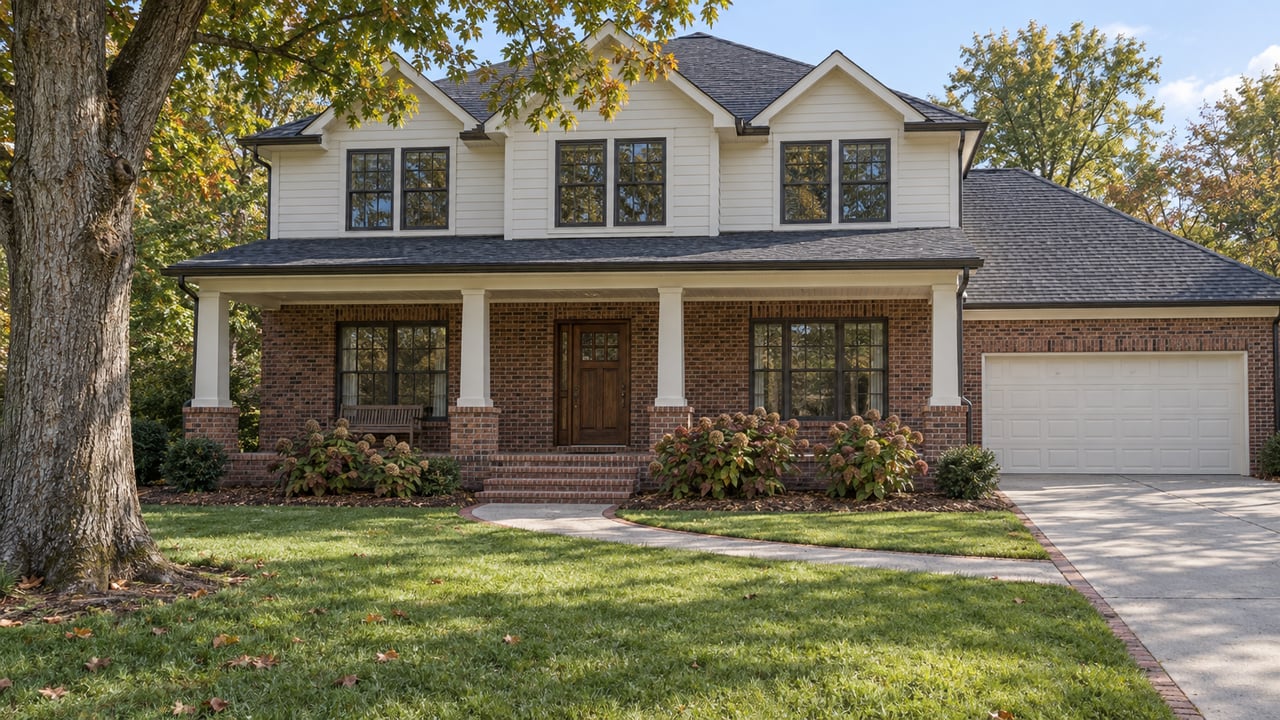
Single-family homes usually offer the most privacy, the most separation from neighbors, and the greatest degree of control over the property. For buyers who want yard space, fewer shared-wall concerns, and more room to spread out, detached homes are often the clearest fit.
This home style can be especially appealing if your long-term goals include customizing the property, enjoying outdoor space, or avoiding some of the project-level review that comes with condo financing. Many buyers simply prefer the independence that comes with a detached structure.
That freedom also comes with more responsibility. With a detached home, you are generally responsible for maintenance and repairs, and more space often means more yardwork and higher ongoing upkeep costs.
Price can also be a factor. Since attached homes in Raleigh are directionally below the broader city median before HOA dues are added, detached homes may require a higher purchase budget depending on the area and condition.
One of the most common mistakes buyers make is comparing only the list price. In reality, the better comparison is the full carrying cost of the home.
HOA or condo fees are usually paid directly to the association rather than included in your mortgage payment. Those fees can range from a few hundred dollars per month to more than $1,000, depending on the community and what is included.
Those fees may cover common-area upkeep, amenities, and sometimes exterior maintenance. Even so, they should be treated as part of your monthly housing budget, especially because association fees can rise over time.
Raleigh buyers should also remember that local tax changes affect all owner-occupied housing types. Raleigh’s FY2027 budget included a 1.7-cent property tax increase, which the city said equals about $67 annually for a median Raleigh household. That is not a reason to avoid any one property type, but it is a reminder to compare the full cost, not just the sticker price.
If you are considering a condo or townhome, the association documents matter almost as much as the home itself. A lower list price can lose its appeal quickly if the HOA has weak reserves, rising dues, or major deferred maintenance.
A smart review usually includes the budget, financial statements, bylaws, CC&Rs, and any information on special assessments. Special assessments are one-time charges owners may have to pay for major expenses that regular reserves do not fully cover.
This step is especially important for condos, where project-level issues can affect financing eligibility. It is also valuable for townhomes, since maintenance obligations can vary widely from one community to another.
A condo may be the best fit if you want lower maintenance, access to amenities, and a location in a more central or convenience-driven part of Raleigh. It can be a strong option if you are comfortable reviewing HOA finances, insurance, and financing rules tied to the project.
A townhome may be right for you if you want a middle ground. You get more space than many condos, often more affordability than many detached homes, and a lifestyle that can reduce some exterior maintenance responsibilities.
A single-family home may be best if privacy, yard control, and owner control matter most to you. It often works well if you are prepared for more upkeep and want the broadest sense of independence in how you live and maintain the property.
In Raleigh, the home type you choose often connects closely with the area you are targeting. Attached homes commonly cluster in areas such as Brier Creek, North Hills, Downtown Raleigh, North Raleigh, West Cary, Five Points, Lochmere, Wyngate, and Northwest Raleigh.
That pattern matters if you are relocating or narrowing your search by commute, amenities, or convenience. Condos often lean toward more urban and amenity-driven settings, townhomes often offer a practical middle ground, and detached homes usually provide more space and privacy.
If you are moving from out of area, this is where local guidance becomes especially valuable. The right answer is rarely just “condo versus house.” It is often about how the property type and submarket work together for your budget, routine, and long-term plans.
If you want help comparing Raleigh neighborhoods, attached-home communities, or detached-home options, Kim Longest can help you sort through the details and find the right fit for your move.
Stay up to date on the latest real estate trends.


Get assistance in determining current property value, crafting a competitive offer, writing and negotiating a contract, and much more. Contact Kim today to discuss all your real estate needs!
Get In Touch With Me To Learn More
1991 APEX PEAKWAY
APEX NORTH CAROLINA 27502